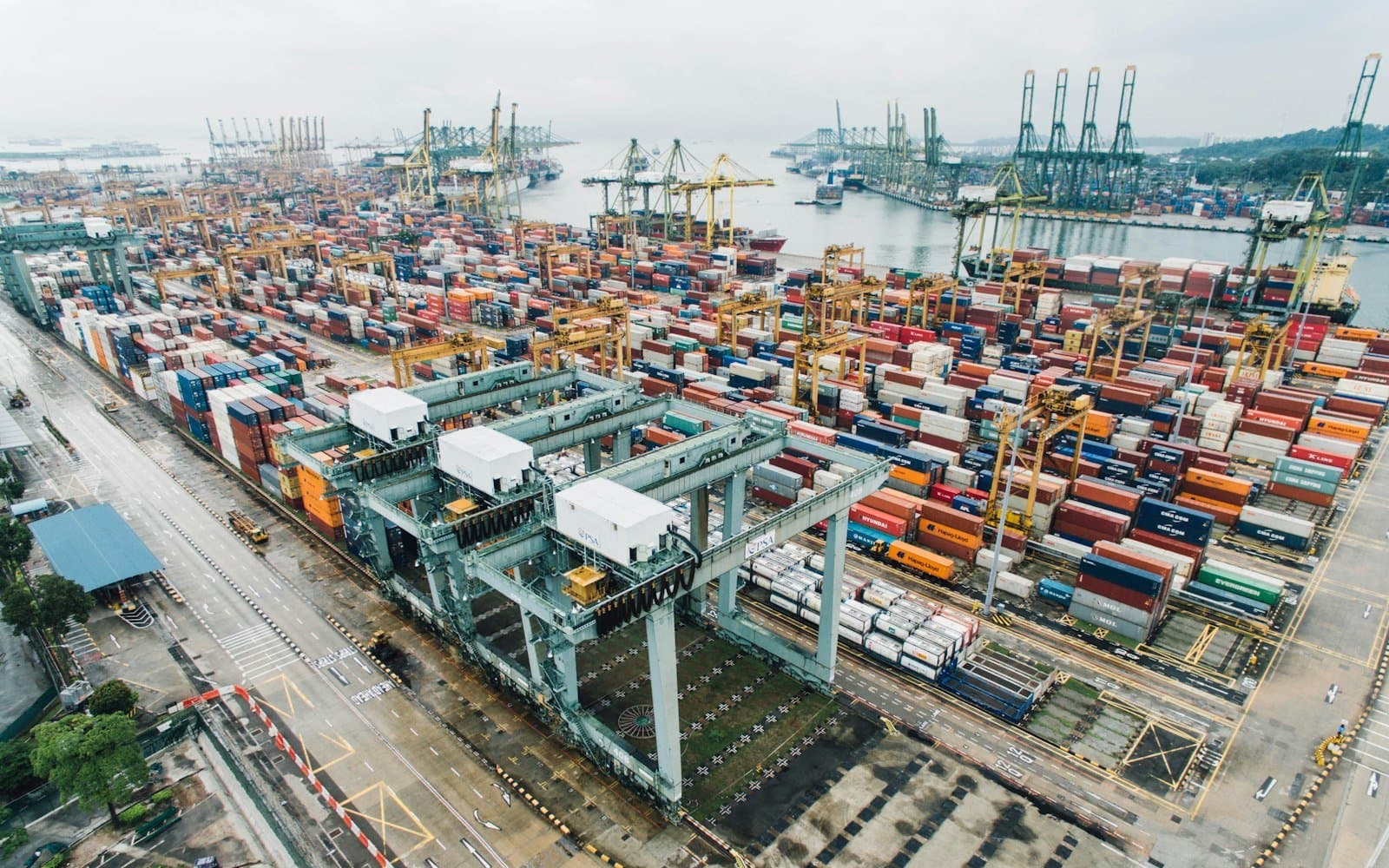
A single product can contain parts from dozens of countries. Where those parts are made depends on cost, skills, trade rules and logistics — and each of those factors can shift quickly.
Cost is only the starting point
Labour and materials matter, but so do reliability, lead times and the cost of disruption when something goes wrong.
Policy changes the calculation
Tariffs, export controls and trade agreements can make a previously efficient route uneconomic almost overnight.
Managing the risk
Companies diversify suppliers, hold more inventory of critical parts and map their supply chains beyond the first tier to spot weak links early.
Key takeaways
- Cost is only the starting point
- Policy changes the calculation
- Managing the risk