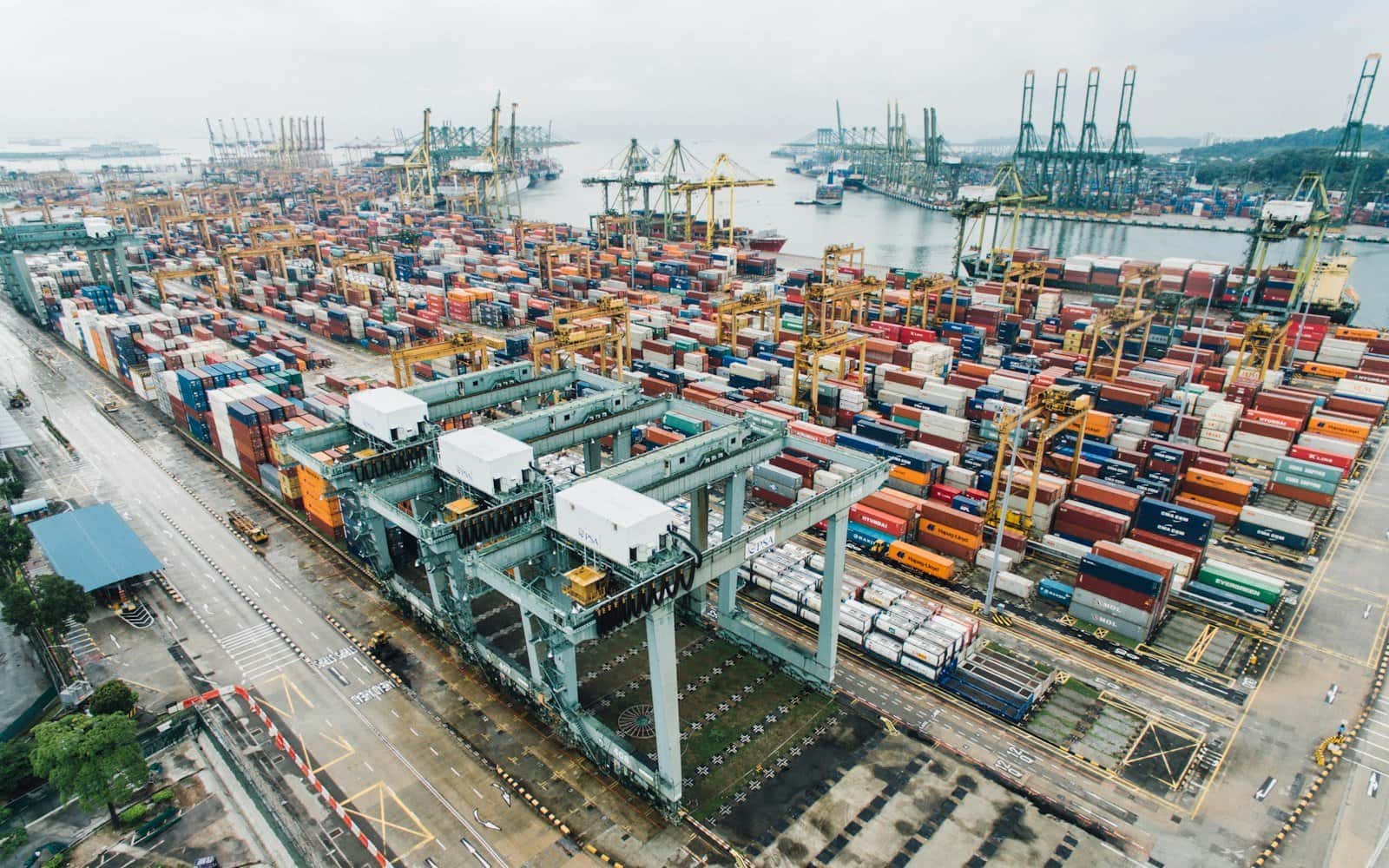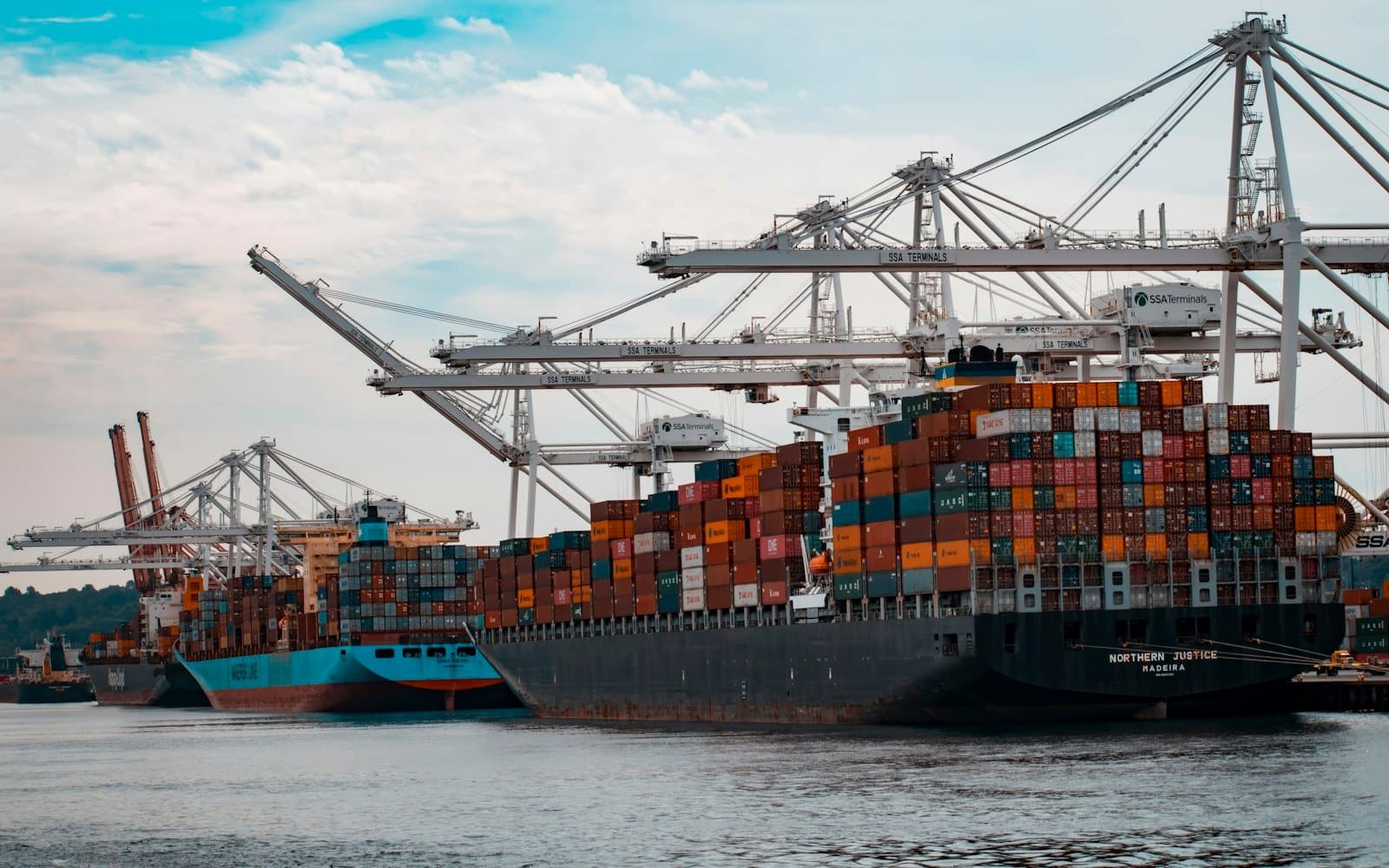
Reshoring means moving manufacturing back to a company’s home country, while near-shoring moves it to nearby countries. Both reflect a reassessment of the balance between cost and resilience.
The case for moving closer
Shorter supply chains can mean faster delivery, lower shipping risk and closer collaboration between design and production.
The costs
Higher labour costs, new facilities and skills shortages can offset much of the benefit.
The role of automation
Advanced manufacturing can narrow the labour-cost gap, making production closer to customers more viable.
Key takeaways
- The case for moving closer
- The costs
- The role of automation